
Tomato & Peppers
Types of Tomatoes
Determinate tomatoes varieties, which include bush varieties, produce one large bountiful harvest. These are the best tomatoes for growing in containers due to their smaller stature. The tomatoes are produced at the end of the plant stems. This is a great option for those that want to can or freeze tomatoes so it can be done in one large batch. The tomato plants are compact and need a small tomato cage.
Indeterminate tomato varieties tend to get much larger growing 5 to 8 feet tall and are vine-like plants. They continue to produce tomatoes throughout the season. The tomatoes are produced where the leaves meet the stems and are a great option for those wanting fresh tomatoes all summer and even into the fall. Be sure to use a large tomato cage with indeterminate tomato plants to keep them upright so the tomatoes don't hit the ground.
All Purpose Tomatoes

Early Girl
Once of the first tomatoes ready in the garden with great flavor. Indeterminate.

Better Boy
A nice, large fruit with excellent flavor that produces all summer. Indeterminate.

Champion
An abundance of large fruit with a rich, homegrown flavor. Indeterminate.

Momotaro
A radiant pink tomato with award-winning taste; sweet & tangy. Indeterminate.

Ace
Deep red, thick-walled tomato with low acidity and very disease resistant. Indeterminate.
Large Slicing Tomatoes

Beefsteak
Large meaty, rich flavored red tomato with very heavy yields.

Beefmaster
Sweet, mild flavor in a large red tomato with beautiful shoulders. Indeterminate.

Big Beef
Large, early fruiting tomato with a classic tomato flavor. Indeterminate.

Old German
An heirloom with rich flavor and elegant variegated skin in red and yellow. Indeterminate.

Brandywine
A huge, dusty pink heirloom tomato with impeccable flavor. Indeterminate.
Cooking & Paste Tomatoes

Roma
A meaty, oblong tomato with right flavor. Determinate.

Marzano
Long, plum tomato loved for its intense yet balanced sweet flavor. Indeterminate.

Celebrity
A classic red, medium sized tomato with superb taste. Determinate.
Container Tomatoes

Celebration
Sturdy, red fruit with great flavor and abundant yields. Determinate.
Celebrity
A classic red, medium sized tomato with superb taste. Determinate.
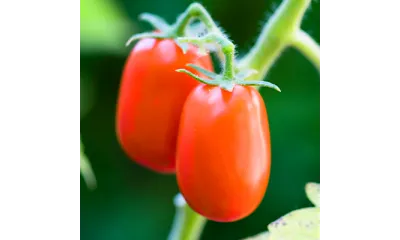
Roma
A meaty, oblong tomato with outstanding flavor. Determinate.
Heirloom Tomatoes

Black Krim
Medium-sized fruit with a very dark maroon skin and a rich flavor. Indeterminate.

Cherokee Purple
A large, dark red/purple tomato with bright red flesh and full flavor. Very meaty and juicy. Indeterminate.

Jetsetter
Classic tomato in & out with its red skin and flavor. Indeterminate.

Kellogg's Breakfast
Huge, meaty golden tomato that's just the right balance to sweetness and acidity. Nearly seedless. Indeterminate.

Big Rainbow
Stunning bi-colored tomato in gold and red skin and flesh. Great sweet flavor. Indeterminate.
Salad & Snacking Tomatoes

Sungold
Produces tons of small, bright yellow tomatoes that are very sweet & low in acid. Sungold has one of the highest sugar content of all cherry tomatoes. Indeterminate.

Super Sweet 100
A classic red cherry tomato packed with sweet flavor. Indeterminate.

Juliet
Often called a "grape" tomato, the fruit is an oblong flavorful red tomato reminiscent of loaded clusters of large red grapes. Indeterminate.

Sweet Million
Early producing tomato with sweet red fruit that produces all season. Hybrid.

Midnight Snack
Red tomatoes that ripen with a beautiful glossy black-purple overlay and is packed with flavor. Indeterminate.
Homegrown Tomatoes
Growing Tomatoes
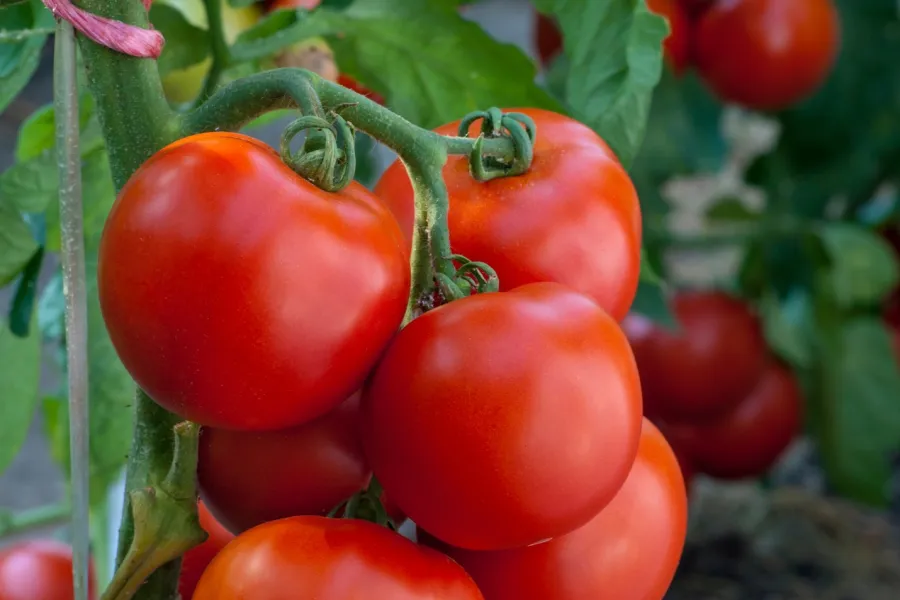
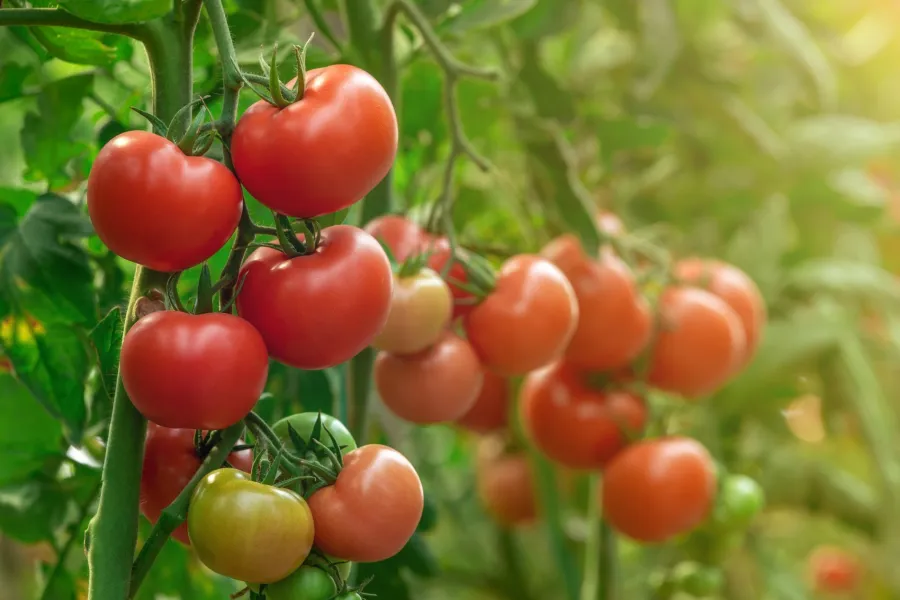
Tomatoes are the most popular spring/vegetable for home gardens. They're fun to grow producing an abundance of juicy, delicious tomatoes. There are so many difference tomatoes varieties, each with their own flavor profile, color and uses. Tomatoes love warm, sunny weather so plant in spring into summer outside in an area that receives at least 6 to 8 hours of sun.
The taste of a homegrown tomato can't be beat; especially when picked right from the garden and it's still warm from the summer sun. Tomatoes are known for being heart- healthy reducing the risk of heart disease and cancer and are also a great source of vitamin C and K, potassium, and folate.
Tomato Uses
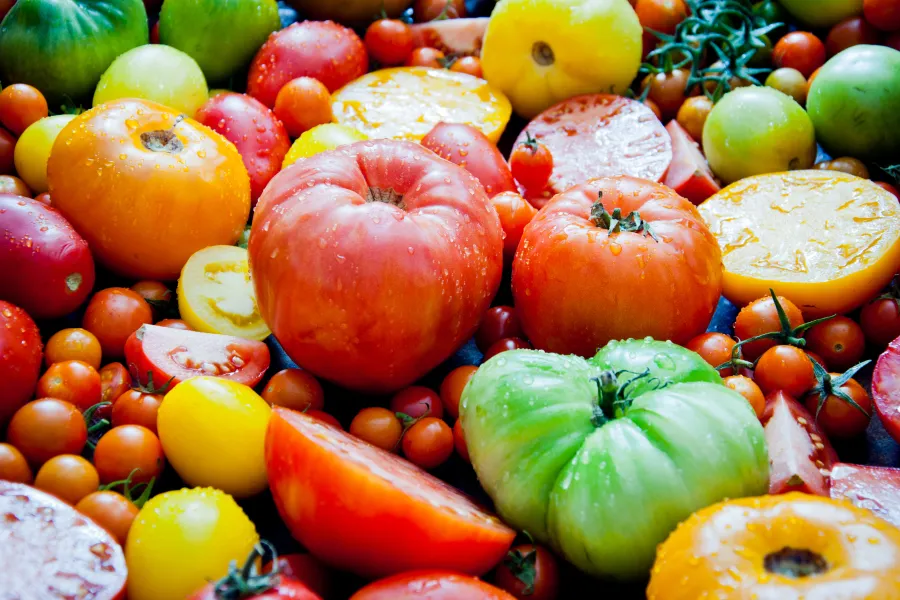
When choosing tomatoes think about how you want to enjoy them. Are you looking for a large, meaty tomato for BLT sandwiches, sweet tomatoes for salads, or colorful tomatoes that pop on a plate with fresh mozzarella and basil? Here are the best tomato varieties for various uses.
Tomato FAQ
The flowers on my tomato keep falling off without developing tomatoes.
Blossom drop can be caused by fluctuating temperatures, but most often is caused by a Calcium deficiency. Adding Gypsum or Bone Meal at the time of planting and midway through the growing cycle (about 6 weeks) will prevent this from happening. You can also use all-natural Rot-Stop Tomato Blossom End Rot Spray to quickly add Calcium. Spray from below, up into the open flowers and onto the leaves, as well. While you can't control the weather, you can help prevent blossom drop by keeping your tomatoes well-watered and on a consistent fertilizer program.
The bottom of my tomatoes are black.
This is called blossom end rot and is caused by a lack of calcium or dry conditions. Adding Gypsum or Bone Meal at the time of planting and midway through the growing cycle (about 6 weeks) will prevent this from happening. Apply all-natural Rot-Stop Tomato Blossom End Rot to add calcium, then spray it on the plants.
Why do my tomatoes keep cracking?
This is caused by inconsistent watering and is common in dry weather. Especially when it's hot, be sure to keep your tomatoes well-watered.
I have large, green caterpillars.
These are tomato hornworms, heavy feeders that quickly damage leaves and fruit. Treat immediately with Bonide BT Thuricide, an organic, bird-safe spray that won't harm beneficial insects. It takes 2-3 days to work, or you can hand-pick the worms. Apply sprays early in the morning or on cloudy days to prevent leaf burn.
There’s a sticky substance on my tomato plants leaves and they are starting to curl.
That sticky substance is called honeydew, produced by aphids—tiny white, green, or yellow insects often found on the undersides of leaves and stems. Aphids feed on plant tissues and leave behind this sugary residue. To control them, use Bonide Captain Jack's Deadbug Brew or introduce beneficial insects like ladybugs. Ants are another sign of aphids, as they farm them for honeydew. Sometimes a black, powdery mold grows on the honeydew—this can be treated with Bonide Copper Fungicide. Apply sprays early in the morning or on cloudy days to avoid leaf burn.
The leaves on my tomato are curling.
Leaf roll is usually caused by heat stress or overly wet soil—tomatoes like consistent moisture, but not soggy conditions. It often appears on lower, mature leaves and can affect much of the plant, but it doesn't harm fruit production. Avoid overwatering. It can also be caused by tent caterpillars, which create silky webs under curled leaves. If you see webbing inside, treat with Bonide Captain Jack's. Apply sprays early in the morning or on cloudy days to prevent leaf burn.
The tomato leaves have brown spots.
This is likely early blight, a fungal disease (Alternaria solani) that starts on older leaves as brown spots with yellow halos, causing leaves to yellow, brown, and drop. Treat with Bonide Tomato & Vegetable 3-in-1 and allow soil to dry more between waterings, as fungi thrive in wet conditions. Avoid planting tomatoes, peppers, or eggplant in the same spot next season to help prevent recurrence. Apply sprays early in the morning or on cloudy days to prevent leaf burn.
There are yellow spots on the bottom leaves of my tomato plant.
This is verticillium wilt, a soil-borne disease that causes yellowing on lower leaves, browning veins, and leaf drop as it moves up the plant, eventually stunting growth. There's no cure once infected, so prevention is key. Plant resistant varieties, rotate crops, and refresh soil regularly to reduce risk.
All About Peppers
From sweet peppers for snacking to hot peppers that will nearly set your mouth on fire, there's a pepper for every taste.
Peppers are among the easiest vegetables to grow in the garden or in a pot. Plant peppers in spring or early summer and place them in an area that receives at least 6 to 8 hours of sun. Homegrown peppers are more flavorful than those from the market and are rich in key nutrients. They're low in calories and a great source of vitamins A and C, potassium, folic acid, and fiber. Plus, they'll liven up homemade meals and even drinks.
Homegrown peppers are more flavorful than those from the market and are rich in key nutrients. They're low in calories and a great source of vitamins A and C, potassium, folic acid and fiber. Plus, they'll liven up homemade meals and even drinks. Click to find out more.