Spring
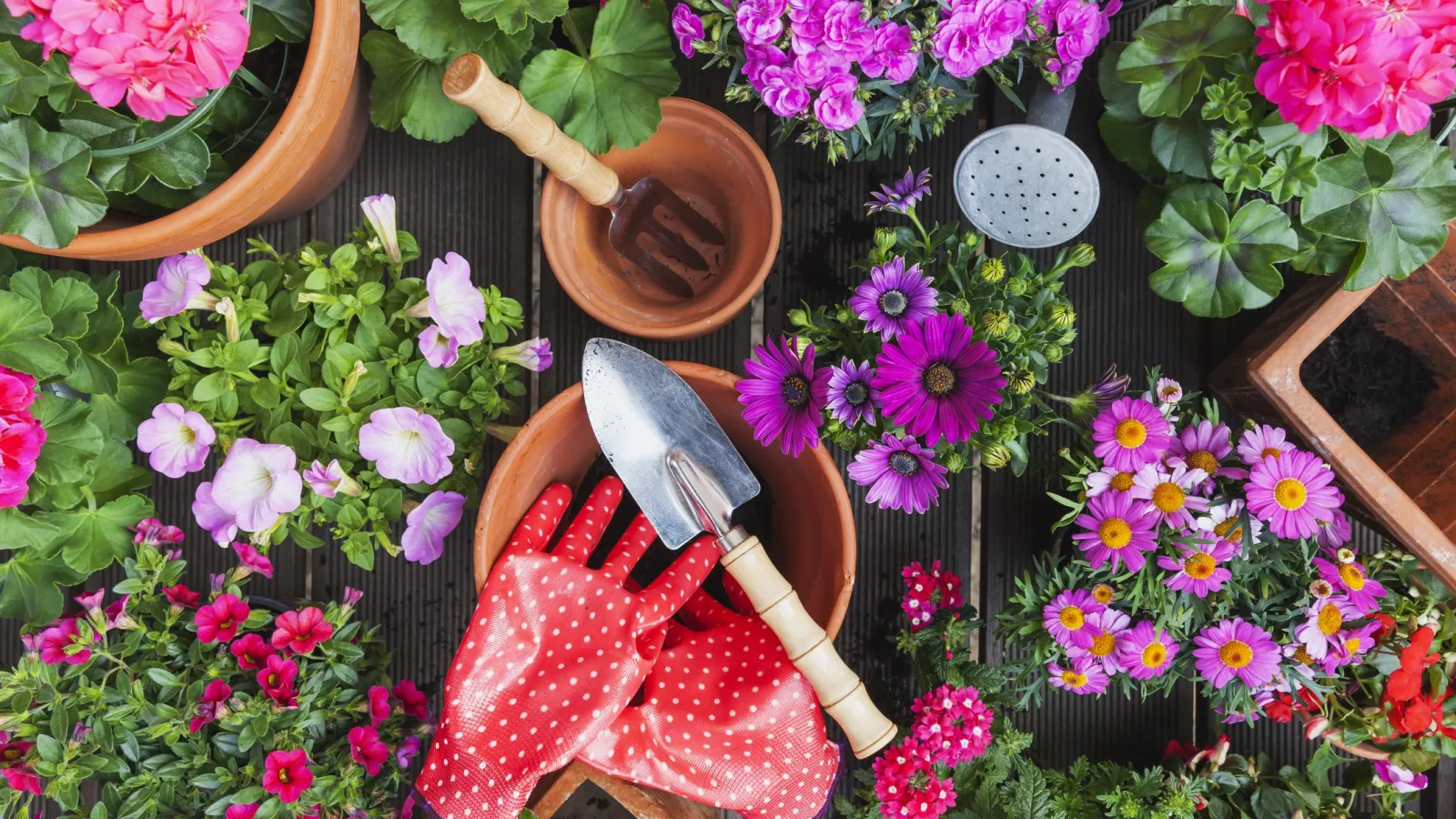
Spring is here! Now is the time to fill your garden with cheerful, colorful flowers that will bring you join. Our horticulturalists are here to help with all of your garden projects.

Tomatoes
Juicy, ripe tomatoes are a summer must-have! Plant multiple varieties for an endless supply all season long.

Landscape Design
Get Ready for Spring Planting & Book Today!
Make your design a reality. A $549 landscape design rebate will be credited to your invoice when you purchase installation services and a minimum of $3,500 in plants and materials.
Shrub Time
Spring
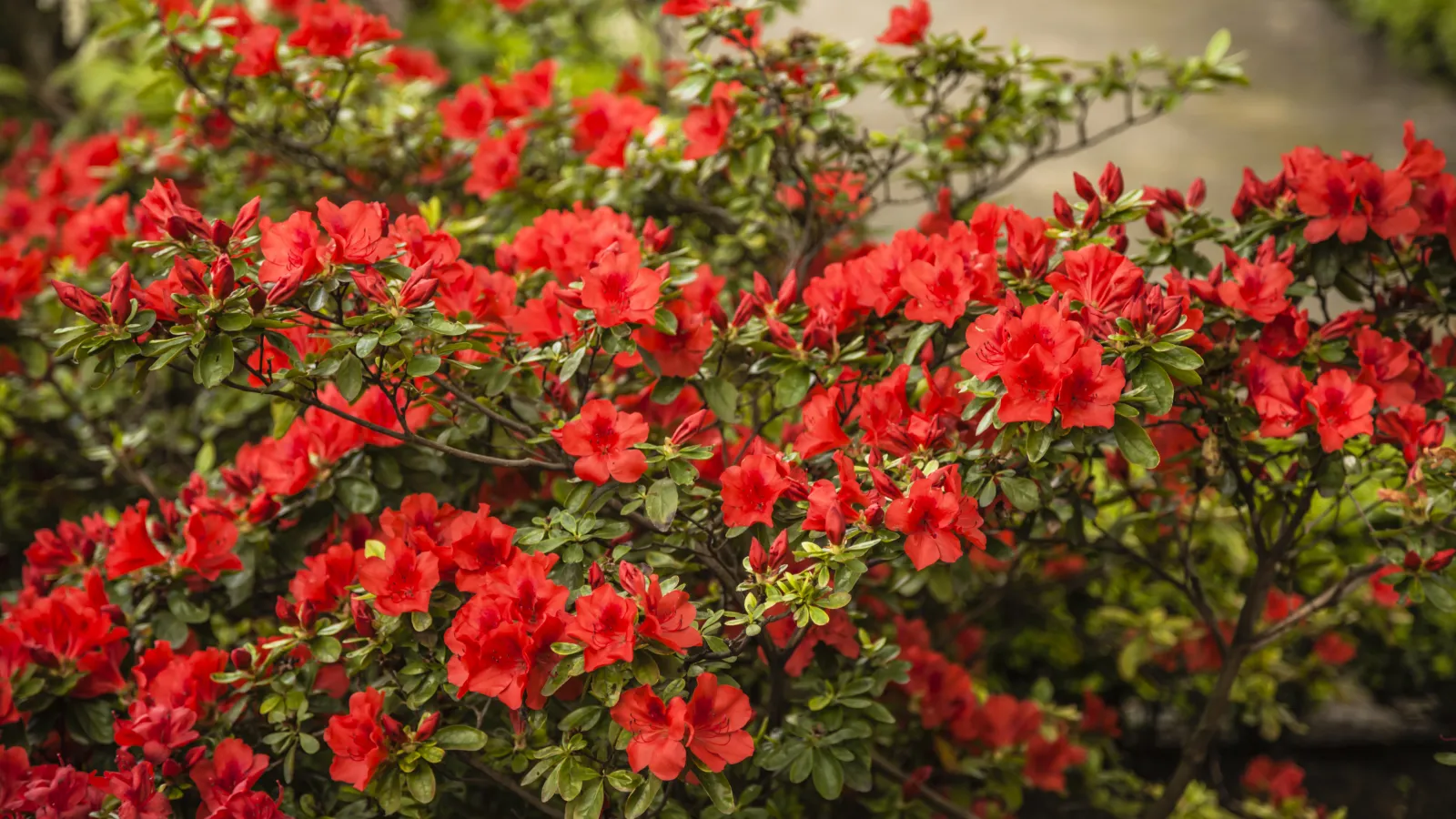
is the perfect time to plant shrubs that form the foundation of your landscape.
Plant with confidence; all shrubs and trees at Armstrong Garden Centers are
guaranteed for life.

A Beautiful Garden with Less Water

Have a beautiful garden and use less water. Research shows that California's residents use up to 50% more water than they need to maintain healthy, beautiful gardens. Proper watering would not only conserve water and be more drought tolerant but actually improve the overall health of California gardens and landscapes.

SHOP PLANTS AND GARDEN ESSENTIALS ONLINE
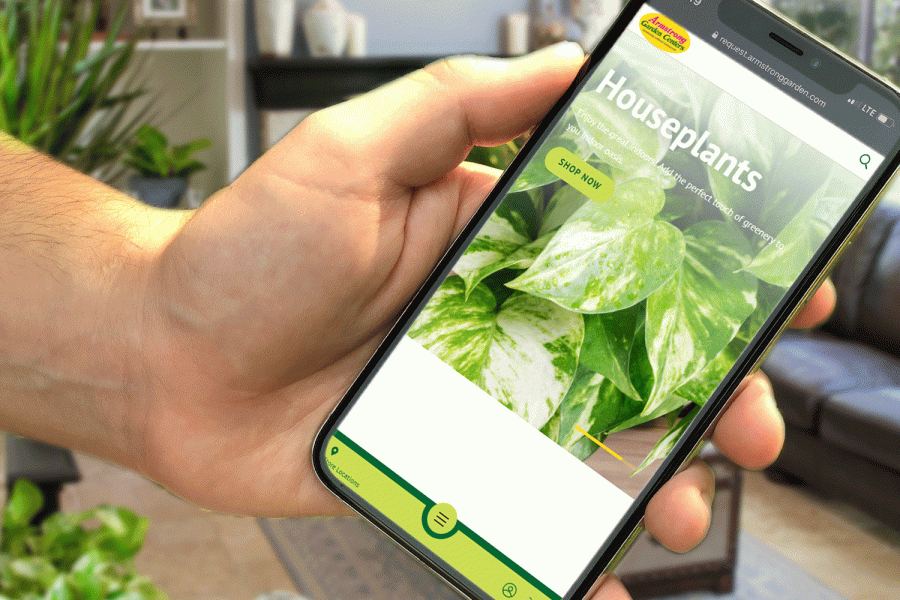
Shop Online
Here's how it works:
- Browse our selection of plants and garden products online.
- Our horticulturist will assemble your order within 48 hours.
- We will notify you that your order is ready for curbside pickup or local delivery.
Gardening Without Guesswork®
Gardening today comes with so many options-and questions. At Armstrong Garden Centers our employee-owners want you to be able to focus on the pleasures, not the worries of gardening.
Our team of local garden experts will guide,
inspire and give you the best tips for garden success. Our plants, vegetables,
houseplants and garden products are carefully selected for our neighborhoods.
They are inspected upon arrival to ensure they are Armstrong-quality. We are so
committed to your success, all of our trees and shrubs are guaranteed for life.

GIVE THE GIFT THAT GROWS
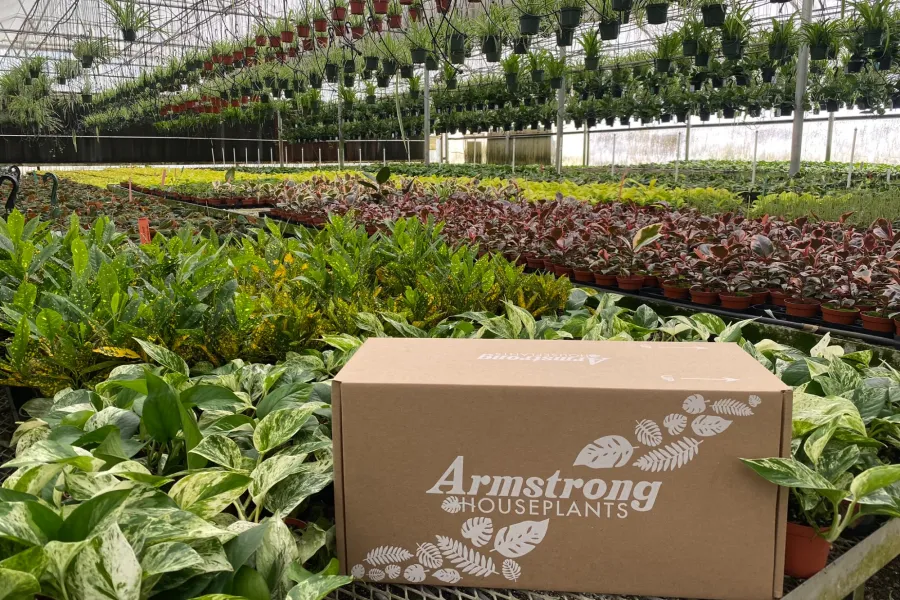
Houseplant Nationwide Delivery
From Our Greenhouse Shipped to Your Home
Say hello to our newest offering - houseplants that can now be shipped nationwide! That's right, you can now send a vibrant and beautiful plant to your friends and loved ones, no matter where they are. Whether you're celebrating a special occasion, saying thank you, or just want to brighten someone's day, our houseplants are the perfect gift. Order now and let us help you make your loved ones feel special!